
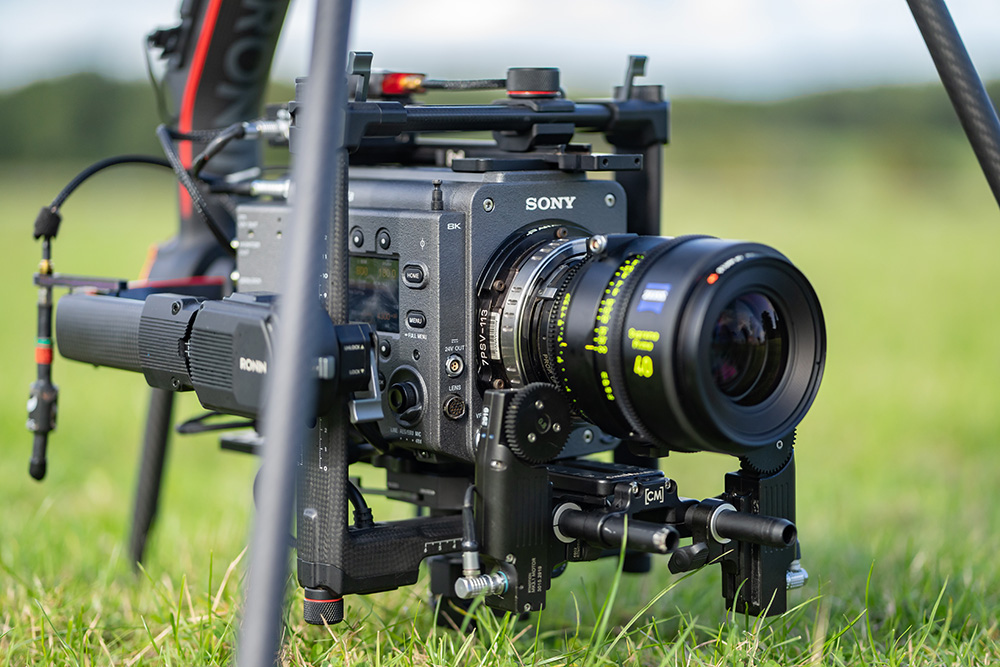
Understanding the specific technical features behind professional camera systems helps filmmakers and production teams make more informed equipment decisions. Exploring what sets a particular camera system apart helps illustrate the engineering behind consistently reliable, high-quality footage. This closer look helps clarify why certain features matter so significantly for professional production work. Consistent attention over time tends to produce far better results than occasional, sporadic effort.
Why Understanding Technical Features Supports Better Decisions
Camera specifications can appear overwhelming without understanding how specific features actually translate into practical production benefits. Breaking down these technical features helps filmmakers connect specifications to real-world impact on their specific production needs. Understanding this connection helps production teams make more confident, informed equipment decisions for their projects. Recognizing this value supports more strategic camera selection throughout the filmmaking planning process. Balancing short-term convenience against long-term value remains an important part of almost any major decision.
Sensor and Image Quality Features of the Sony Venice 2 Camera
Examining the sony venice 2 camera reveals a flexible sensor design offering strong dynamic range and color depth suited to demanding production environments. This sensor technology supports high-quality image capture across a wide range of lighting conditions, from bright exteriors to low-light interiors. The camera’s color science has also earned strong recognition among cinematographers for its natural, flexible rendering. These combined sensor and image quality features explain why this camera continues earning strong professional recognition.
Workflow and Production Integration Features
Flexible recording formats and codec options help this camera system integrate smoothly into diverse production and post-production workflows. Modular design elements allow production teams to configure the camera system for different shooting scenarios and creative requirements. Understanding these workflow features helps production teams appreciate how equipment choices affect broader project efficiency. This integration flexibility significantly supports smoother, more efficient professional production processes. Clear communication throughout any process helps ensure expectations remain aligned from start to finish.
Durability and Practical Performance on Set
Reliable performance under varied environmental conditions represents an essential practical consideration for demanding professional film production schedules. Build quality and thermal management both significantly affect how consistently a camera system performs during extended shooting days. Understanding these practical performance factors helps production teams appreciate equipment reliability beyond simple image quality specifications alone. This practical durability explains why reliability remains a significant factor in professional camera selection decisions.
Considering These Features When Planning a Production
Matching specific camera features to a production’s particular creative and technical requirements supports more effective overall equipment planning. Consulting with experienced cinematographers and camera technicians provides valuable perspective on how specific features apply to particular projects. Understanding rental availability and support for specific camera systems also affects practical production planning decisions. This thoughtful, informed approach helps production teams select equipment genuinely suited to their specific project needs. Reviewing progress periodically helps catch small issues before they grow into larger, costlier problems.
Conclusion
Understanding the specific technical features behind professional camera systems helps filmmakers make more informed, confident equipment decisions. Sensor quality, workflow flexibility, and practical durability together contribute to a camera system’s overall professional reputation. With this understanding, production teams can select equipment genuinely suited to their specific creative and technical production needs. Seeking recommendations from trusted sources can help narrow down choices and reduce uncertainty considerably.