
Modern building projects require careful planning and the right materials to achieve strength, efficiency, and long-term performance. From foundations and walls to insulation and finishing work, every material has an important role. Choosing suitable materials can improve structural stability, reduce maintenance needs, and help a building perform better in different weather conditions. Understanding the purpose of common construction materials makes it easier to create safe and durable structures.
Construction Aggregates: Ensuring Strong and Stable Structures
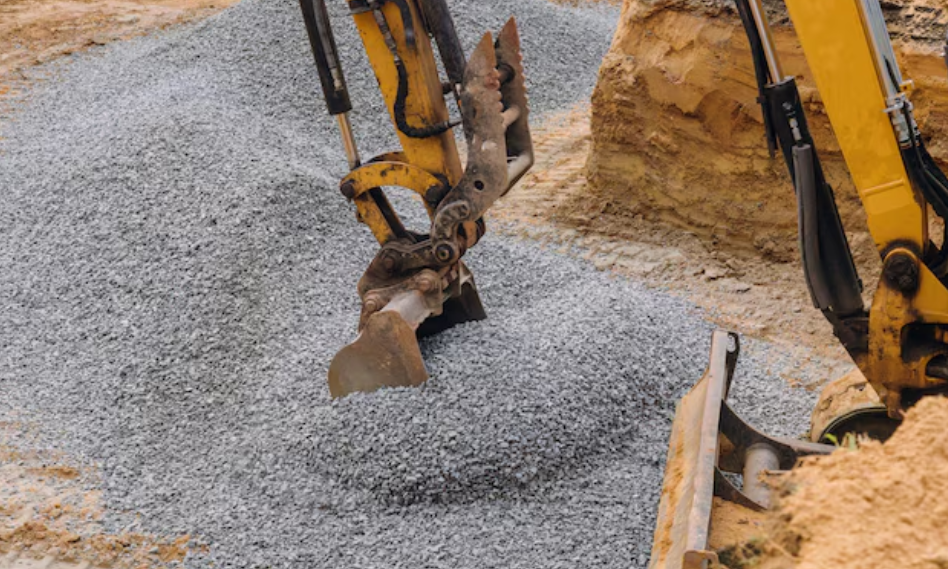
Using the right construction aggregate is important for creating strong concrete, asphalt, and other building mixtures. Aggregates such as crushed stone, gravel, and sand provide volume and strength while helping construction materials maintain their shape. The quality, size, and cleanliness of aggregates can affect the final performance of concrete and other mixtures. Properly selected aggregates can support reliable foundations, driveways, roads, slabs, and structural elements.
Expanded Polystyrene Foam: Improving Insulation and Efficiency
Expanded polystyrene foam is a lightweight material commonly used for insulation and construction applications. It helps reduce heat transfer through walls, floors, and roofs, which can support better indoor temperature control. Its light weight also makes it easy to handle and install. When used correctly as part of a building system, expanded polystyrene foam can contribute to energy efficiency while providing practical insulation for different types of projects.
Concrete Materials: Supporting Long-Term Strength
Concrete remains one of the most widely used materials in construction because of its strength and versatility. It can be used for foundations, columns, floors, walls, driveways, and other structural elements. Concrete is usually made from cement, water, and aggregates, with additional materials sometimes included to improve specific properties. Proper mixing, placement, and curing are essential for achieving the expected strength and durability.
Steel: Providing Structural Support
Steel is another important material for many building projects. Its high strength allows it to support significant loads while maintaining a relatively efficient structural design. Steel reinforcement is commonly placed inside concrete to improve its ability to handle tension and reduce cracking. Structural steel can also be used for beams, columns, frames, and other components where dependable support is required.
Insulation Materials: Creating More Comfortable Buildings
Good insulation can make a major difference in the comfort and energy performance of a building. Besides expanded polystyrene foam, materials such as mineral wool, fiberglass, and spray foam can be used in suitable applications. Insulation helps slow the movement of heat between indoor and outdoor spaces. This can reduce the workload on heating and cooling systems and help maintain more consistent indoor temperatures.
Roofing Materials: Protecting the Building
A durable roof protects a building from rain, sunlight, wind, and changing temperatures. Roofing materials may include metal, asphalt shingles, tiles, or other systems selected according to the building’s design and climate. Proper installation is just as important as material selection because gaps, weak joints, and poor drainage can lead to moisture problems and premature damage.
Finishing Materials: Combining Function and Appearance
Finishing materials provide the final layer of protection and appearance in many construction projects. Drywall, flooring, siding, plaster, paint, and other materials can improve both the usability and visual appeal of interior and exterior spaces. These materials should be selected according to factors such as durability, moisture exposure, maintenance requirements, and intended use.
Conclusion
Efficient and durable building projects depend on using materials that suit each part of the structure. Construction aggregates provide essential strength, while expanded polystyrene foam can improve insulation and energy performance. Concrete, steel, roofing products, insulation, and finishing materials each contribute to the overall quality of a building. By selecting suitable materials and using proper installation methods, builders can create structures that remain functional, comfortable, and dependable for many years.