
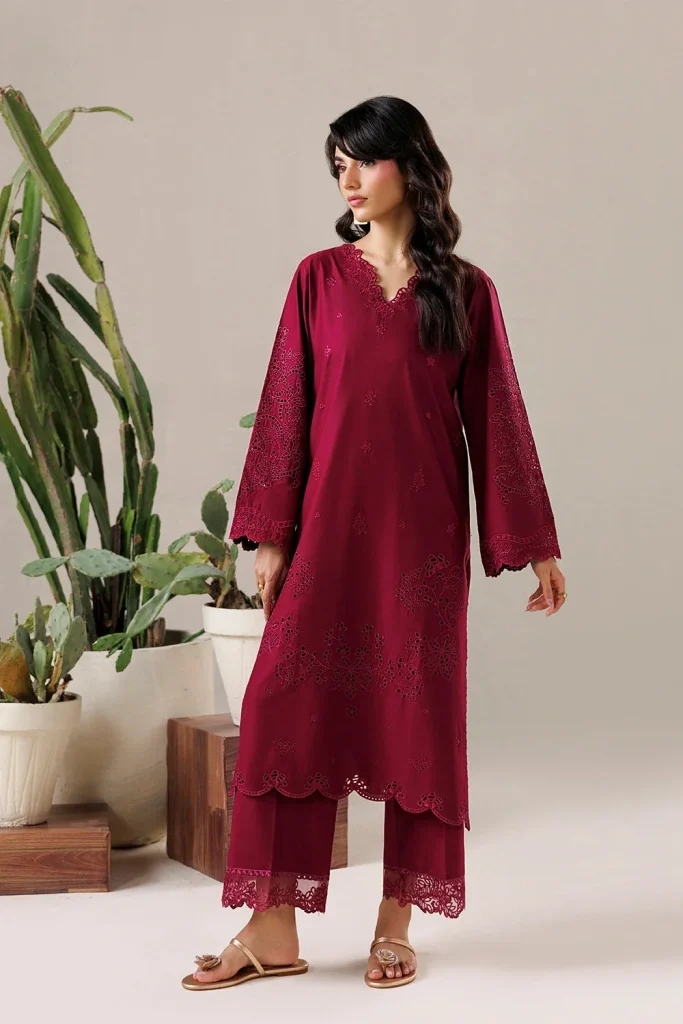
Pakistani clothing represents a rich blend of cultural heritage, traditional craftsmanship, and modern fashion. From elegant shalwar kameez to beautifully embroidered formal dresses, Pakistani outfits reflect a unique identity shaped by regional traditions and changing style preferences. Traditional fabrics, detailed embellishments, and graceful silhouettes continue to influence contemporary designs, making these outfits suitable for casual wear, celebrations, and formal occasions. Modern cuts and updated colour combinations have also introduced fresh ways to wear classic styles. This balance between tradition and innovation allows Pakistani clothing to remain relevant across generations while offering comfort, versatility, and timeless appeal.
The Cultural Heritage Behind Pakistani Clothing
Pakistani clothing carries a strong connection to the country’s history, regional customs, and traditional textile techniques. Different regions contribute distinctive styles, patterns, and embroidery methods that make the fashion landscape diverse. Punjab is known for colourful phulkari embroidery, while Sindh features intricate mirror work and ajrak-inspired prints. Balochi dresses often showcase detailed needlework, and traditional designs from Khyber Pakhtunkhwa reflect regional craftsmanship. These cultural influences give Pakistani outfits a distinctive character. Even as fashion trends evolve, heritage-inspired details remain an important part of everyday clothing and occasion wear, preserving traditional artistry through contemporary designs.
Traditional Styles That Never Go Out of Fashion
Classic silhouettes continue to hold an important place in Pakistani fashion because of their comfort, practicality, and timeless appearance. The shalwar kameez remains one of the most recognisable outfits, offering flexibility through different cuts, sleeve styles, and fabric choices. Straight-cut shirts, wide-leg shalwars, and traditional dupattas create elegant combinations suitable for various occasions. Angrakha dresses, Anarkali frocks, and long embroidered shirts also remain popular choices for festive gatherings and formal events. These styles can be updated with modern tailoring or subtle embellishments without losing their traditional charm, making them valuable additions to a versatile wardrobe.
How Modern Cuts Are Transforming Pakistani Fashion
Contemporary fashion has introduced new silhouettes that combine traditional elements with modern tailoring. Straight trousers, cigarette pants, culottes, and wide-leg designs provide alternatives to conventional shalwars. Short shirts, longline kurtas, asymmetrical hemlines, and structured sleeves add variety to traditional outfits. Minimalist designs have also gained attention, particularly among people who prefer clean lines and understated details. These updates allow Pakistani clothing to suit different personal styles while maintaining its cultural identity. Modern cuts can create a polished appearance for office settings, casual outings, and social events, depending on the fabric, accessories, and overall styling.
Popular Fabrics for Comfort and Elegance
Fabric selection plays a major role in the appearance, comfort, and durability of Pakistani outfits. Climate, occasion, and personal preference should guide the choice of material.
- Cotton: A breathable option for everyday wear, particularly during warmer months.
- Lawn: A lightweight fabric widely used for summer suits, offering comfort and a variety of prints.
- Linen: A practical choice for smart casual outfits, with a natural texture and relaxed appearance.
- Chiffon: A lightweight, flowing fabric often used for dupattas, formal shirts, and festive dresses.
- Silk: A luxurious material suitable for wedding celebrations, evening events, and formal occasions.
- Organza: A sheer fabric frequently used for statement sleeves, dupattas, and decorative overlays.
The right fabric enhances the overall design while ensuring that an outfit remains appropriate for its intended use.
Embroidery and Prints That Define Traditional Elegance
Embroidery and printed patterns are among the most recognisable features of Pakistani fashion. Zari work, thread embroidery, mirror embellishments, and delicate floral motifs add texture and visual interest to traditional outfits. Digital prints, block prints, geometric patterns, and nature-inspired designs provide additional variety for everyday and seasonal clothing. Heavy embroidery often suits wedding wear and formal events, while lighter detailing works well for casual gatherings and office attire. A balanced design can combine traditional craftsmanship with contemporary patterns, creating an outfit that feels distinctive without appearing overly elaborate.
Pakistani Clothing for Casual and Everyday Wear
Everyday Pakistani clothing prioritises comfort, ease of movement, and practical styling. Lightweight lawn suits, cotton shalwar kameez, printed kurtas, and simple two-piece sets are popular options for daily activities. Neutral colours and small prints create a relaxed appearance, while brighter shades can add personality to casual outfits. Comfortable trousers and minimal embroidery make traditional clothing suitable for workplaces and informal meetings. Breathable fabrics are particularly useful during hot weather, whereas layered outfits and slightly heavier materials provide greater comfort in cooler conditions. Simple styling allows everyday clothing to remain presentable without requiring elaborate accessories or complicated combinations.
Elegant Formal Wear for Weddings and Celebrations
Formal Pakistani clothing combines refined tailoring with decorative details to create sophisticated outfits for special occasions. Wedding dresses frequently feature rich fabrics, detailed embroidery, embellished borders, and coordinated dupattas. Lehenga choli sets, long formal shirts, sharara suits, and heavily embroidered shalwar kameez remain popular choices for festive celebrations. Evening events often suit deeper colours, metallic accents, and luxurious textures, while daytime functions can work well with softer shades and lighter embellishments. The overall appearance depends on the relationship between fabric, fit, embroidery, and accessories. A well-balanced outfit can look elegant without relying on excessive decoration.
Colour Trends and Styling Ideas for Every Season
Colour selection influences the mood and versatility of a Pakistani outfit. Pastel shades such as mint green, powder blue, blush pink, and lavender create a soft appearance for spring and summer. Earthy tones, including beige, olive, rust, and brown, offer understated elegance for everyday wear. Jewel tones such as emerald green, royal blue, burgundy, and plum often suit evening occasions and festive celebrations.
A few practical styling tips can help create balanced outfits:
- Pair printed shirts with plain trousers to maintain visual balance.
- Match embroidered outfits with simple accessories to keep the detailing prominent.
- Use contrasting dupattas to introduce colour without changing the entire outfit.
- Select footwear according to the occasion, comfort requirements, and outfit length.
- Coordinate accessories with the fabric and embellishments rather than adding too many competing details.
These simple approaches help create fresh combinations while making existing wardrobe pieces more versatile.
Practical Tips for Selecting Quality Pakistani Clothing
Quality depends on more than appearance. Fabric strength, stitching, finishing, fit, and care requirements all affect the long-term value of an outfit. Before purchasing Pakistani clothing, inspect the seams, neckline, sleeve finishing, and embroidery attachment. Printed fabrics should have clear patterns, while embroidered garments should have securely fastened threads and embellishments. Checking the size guide is especially useful when purchasing clothing online, as measurements can vary between brands and designs.
Care instructions also deserve attention. Cotton and lawn garments may require different washing methods from silk, chiffon, or heavily embroidered outfits. Gentle washing, suitable storage, and careful ironing can help preserve fabric quality and colour. Selecting clothing based on durability, comfort, and intended use often provides better value than following short-lived fashion trends.
Building a Versatile Wardrobe with Timeless Designs
A versatile wardrobe combines traditional essentials with a few contemporary pieces. Plain shalwar kameez suits, neutral trousers, printed kurtas, and lightweight dupattas provide a useful foundation for everyday styling. An embroidered formal suit or a statement outfit can serve special occasions, while a modern long shirt or tailored trouser set introduces a contemporary touch. Choosing colours and silhouettes that work well together creates more outfit combinations with fewer individual pieces. This approach also supports thoughtful purchasing by prioritising garments that can be worn repeatedly across different settings. Timeless designs remain valuable because they adapt to changing trends without losing their original appeal.
Discover Timeless Pakistani Clothing with Filhaal UK
Filhaal UK offers a valuable destination for exploring Pakistani clothing that reflects the beauty of traditional design alongside modern fashion preferences. A collection featuring classic silhouettes, contemporary cuts, elegant fabrics, and detailed embellishments can help make traditional dressing suitable for different occasions. From comfortable everyday outfits to sophisticated formal styles, the right clothing brings together cultural identity, personal expression, and practical comfort. Filhaal UK provides an opportunity to explore Pakistani fashion while appreciating the craftsmanship and versatility behind each style. For anyone interested in combining heritage with contemporary elegance, Filhaal UK represents a useful place to discover clothing that celebrates timeless design and the continuing evolution of Pakistani fashion.